





Thailand’s Cybersecurity Landscape: Insights from the Bitdefender Cyber Security Forum
ထုတ်ဝေသည့်ရက်: ၂၀၂၄ နို ၁၃ · သတင်းခန်း · 4 မိနစ်ဖတ်ရန်

မာတိကာ
Thailand’s Cybersecurity Landscape: Insights from the Bitdefender Cyber Security Forum
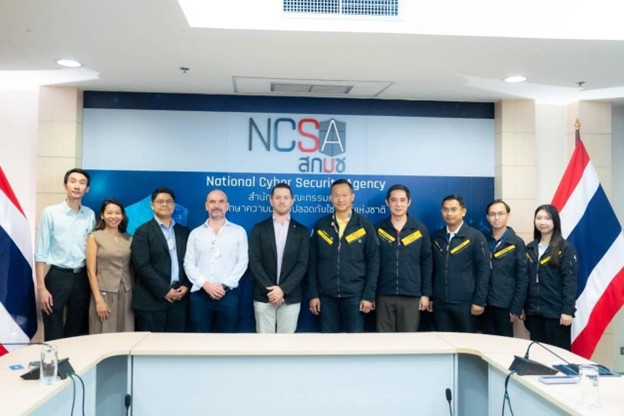
At the recent Bitdefender Cyber Security Forum 2024 , we had the privilege of discussing Thailand’s evolving cybersecurity landscape with AVM. Amorn Chomchoey, a leading figure in the National Cybersecurity Committee (NCSC). Thailand has made strides in its efforts to combat cyber threats, especially with the enactment of the Cybersecurity Act of 2019 and the active role of the NCSC. However, as Mr. Amorn highlighted, establishing effective cybersecurity infrastructure in Thailand has required more than passing a law.
The Impact of the 2019 Cybersecurity Act
The Cybersecurity Act was a landmark step in formalizing Thailand’s approach to cybersecurity. However, Mr. Amorn explained that legislation alone cannot secure a nation. Cybersecurity requires ongoing development efforts and a cultural shift. Since the early days of the internet, Thailand has grappled with a “technology gap” where web-based developments surged, but security was left behind. As hackers continued to evolve, Thailand was left playing catch-up. Today, Thailand is closing that gap by focusing on digital transformation and adopting risk management best practices. This journey has been challenging, particularly with an infrastructure that includes over 50,000 government agencies, of which approximately 80% have no cybersecurity personnel. Only 1% of government employees work in IT, and none focus exclusively on cybersecurity. To bridge this gap, the government is upskilling existing IT personnel, educating the private sector, and promoting cybersecurity as a core competency across sectors. Thailand’s global ranking in cybersecurity awareness has risen significantly, currently placing fourth according to the World Forum, a testament to the growing awareness and conversation around cybersecurity.Challenges in Meeting Public and Government Expectations
The NCSC faces high expectations as the central authority responsible for cybersecurity across Thailand. Yet Mr. Amorn clarified that cybersecurity is not solely the government’s responsibility but a collective effort, akin to fire safety. He identified three primary challenges:
- 1. Shared Responsibility: Cybersecurity must become an essential aspect of daily life across all sectors. Just as fire safety is understood and respected in buildings, cybersecurity should be a shared responsibility, with all stakeholders collaborating with the NCSC to uphold security standards.
- 2. Resource Limitations: Both budgetary constraints and a shortage of skilled personnel pose ongoing challenges. Although the private sector has increased investment in cybersecurity, upskilling remains a priority. Three years ago, the NCSC launched an initiative to develop 1,000 cybersecurity professionals. To date, more than 5,000 individuals have completed the program, a testament to the rising demand for cybersecurity skills, driven in part by increased threats during the COVID-19 pandemic.
- 3. Strategic Partnerships: Collaborations, such as the one with Bitdefender, are integral to Thailand’s cybersecurity strategy. Through this partnership, Bitdefender offers free antivirus licenses, valued at 2,500 baht, to individuals who complete cybersecurity courses. Such initiatives strengthen cybersecurity protections across sectors and allow Thailand to advance without over-relying on government funding.
The Role of Organizational Leaders in Cybersecurity
When asked about the role of executives in cybersecurity, Mr. Amorn emphasized that cybersecurity is ultimately a leadership responsibility. While executives can delegate tasks to IT departments, the responsibility lies at the top. Leaders need to incorporate cybersecurity discussions into regular team and board meetings, ensuring that these conversations set a collaborative tone across the organization. He argued that only through a united effort can organizations keep pace with cyber threats, underscoring that the best defense against hackers is collaboration at every level.
Moving Forward in Cybersecurity
Mr. Amorn’s insights paint a picture of Thailand as a nation committed to cybersecurity but aware of the challenges that lie ahead. The 2019 Cybersecurity Act laid the foundation, but as Thailand works to integrate cybersecurity into the broader culture and upskill its workforce, it relies heavily on public-private partnerships. Through these efforts, the NCSC aims to transform Thailand’s cybersecurity landscape, creating a safer digital environment for all citizens and businesses. This collaborative and comprehensive approach is Thailand’s key to navigating the complexities of the digital age, demonstrating the importance of unified action in building a secure digital future.
View Video Interview Air Vice Marshal Amorn Chomchoey, the Secretary General, of the National Cyber Security Agency of Thailand and Executive Director of Cyber Operations for the Royal Thai Air Force Cyber Center. Insights from the Bitdefender Cyber Security Forum 2024 (Interview by A.FON CYBER Mr. Narinrit Prem-apiwathanokul)
ဆက်စပ်ဆောင်းပါးများ

Scam Alert: Fraudsters Impersonate Bitdefender in Fake Job Interviews
ထုတ်ဝေသည့်ရက်: ၂၀၂၅ နို ၂၅
ဆောင်းပါးဖတ်ရန်
CyberSec Vietnam Conference 2024
ထုတ်ဝေသည့်ရက်: ၂၀၂၄ အောက် ၁၈
ဆောင်းပါးဖတ်ရန်
VPN အသုံးပြုခြင်း၏ အရေးကြီးမှု: ကိုယ်ပိုင်စရိတ္တနှင့် လုံခြုံမှုတိုးတက်အောင်အကောင်းမြင်ရန်
ထုတ်ဝေသည့်ရက်: ၂၀၂၄ ဩ ၂၀
ဆောင်းပါးဖတ်ရန်
Bitdefender သည် ဘန်ကောက်တွင် ကျင်းပသည့် SIS Technology Showcase 2024 တွင် ရောင်ပြန်လင်းနေသည်
ထုတ်ဝေသည့်ရက်: ၂၀၂၄ ဩ ၁၅
ဆောင်းပါးဖတ်ရန်